Erection Insurance
Reliable Protection for Your Construction and Assembly Projects
Erection Insurance
Reliable Protection for Your Construction and Assembly Projects
Reliable Protection for Your Construction and Assembly Projects
Stay protected throughout the assembly process—with the right insurance coverage.
Erection insurance provides specialized protection for companies involved in the installation and assembly of machines and technical systems. These activities are often associated with high risks, as unforeseen factors, incidents, or weather conditions can significantly impact the installation process. With erection insurance, you're covered against such risks—helping you complete your projects safely and on schedule.
What Does Erection Insurance Cover?
Erection insurance protects you from a wide range of damages that may occur during installation—such as operator errors, technical failures, or external factors like theft or fire. It covers a broad variety of assembly objects, from smaller components to large-scale industrial plants. Typically, all risks not expressly excluded are covered, including:
The coverage includes:
Erection insurance can be extended with various optional modules, including:
Work performed by subcontractors is generally insured as long as it is included in the total insured sum.
With erection insurance, you ensure that your project runs smoothly—without financial risks from unforeseen incidents.
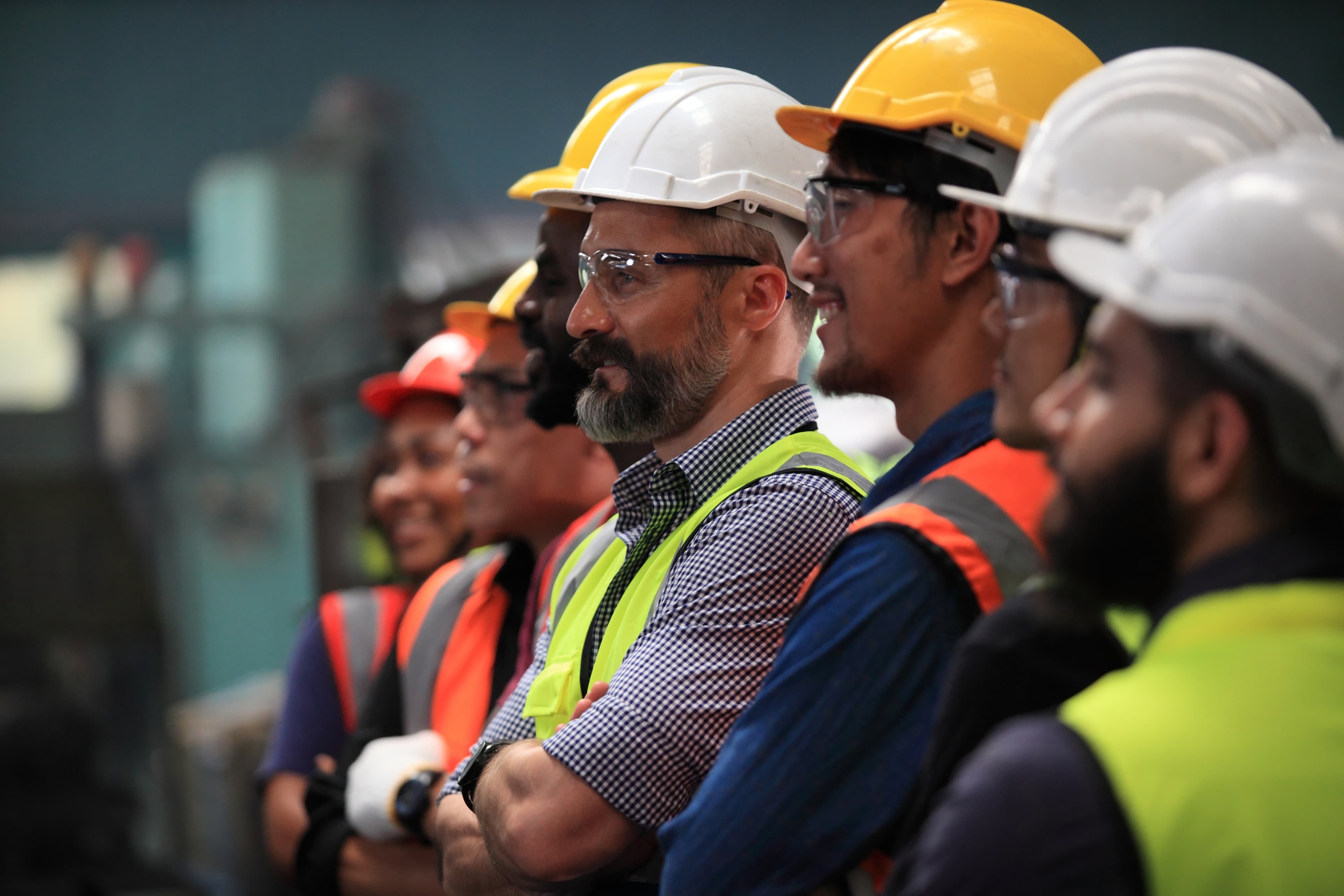
Erection insurance is especially relevant for companies involved in the installation and assembly of technical systems or machinery—such as assembly contractors, mechanical engineering firms, and plant manufacturers. Purchasers of equipment and participating subcontractors also benefit from this comprehensive protection.
The insurance helps prevent financial losses caused by damages or disruptions during the assembly process. It covers risks such as operator errors, unforeseen events, or weather-related conditions that may impact project completion.
Erection insurance offers all-risk coverage for a wide range of risks that may occur during installation, including:
Optional extensions include:
Coverage typically includes:
Typically excluded are:
A careful review of the policy conditions is recommended to fully understand all exclusions.
Yes, through a separate transport insurance policy, coverage can be extended to protect insured items while being transported to the assembly site.
Erection insurance covers the cost of restoring the insured items to their original state prior to the loss. Additionally, cleanup and recovery costs may be reimbursed up to the agreed limit.